10 Tricks for a Trouble-Free Home This Fall

As the leaves change and cooler weather rolls in, it’s the perfect time to prepare your home for the season ahead. Fall is all about cozy nights and festive gatherings—but behind the scenes, it’s also the season to get proactive about your plumbing and HVAC systems. A little preparation now can save you from scary surprises later. Here are 10 simple tricks to keep your home running smoothly this fall.

1. Give Your Furnace a Tune-Up


Your furnace has been resting all summer, and when the first cold snap arrives, you’ll want it ready to perform at its best. A professional tune-up includes inspecting burners, cleaning internal components, checking for carbon monoxide leaks, and testing overall efficiency. Not only does this keep your system safe, but it also extends the life of your furnace and helps you save on energy bills.


2. Replace Air Filters


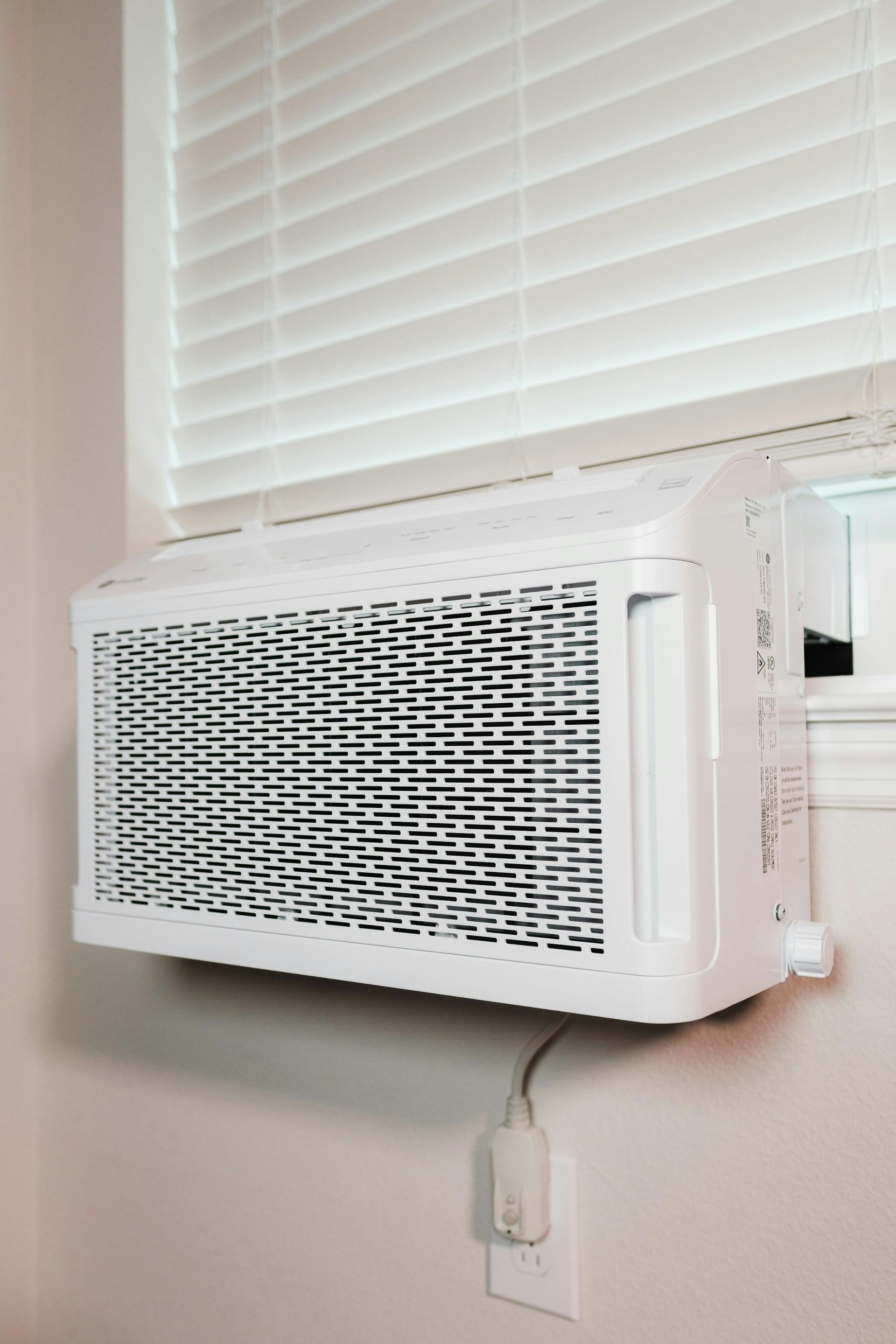
Air filters capture dust, pollen, and allergens, which tend to build up quickly during the fall. A clogged filter forces your HVAC system to work harder, raising energy costs and reducing comfort. Replacing your filters every 30–60 days ensures your system runs efficiently and helps you and your family breathe cleaner air throughout the season.
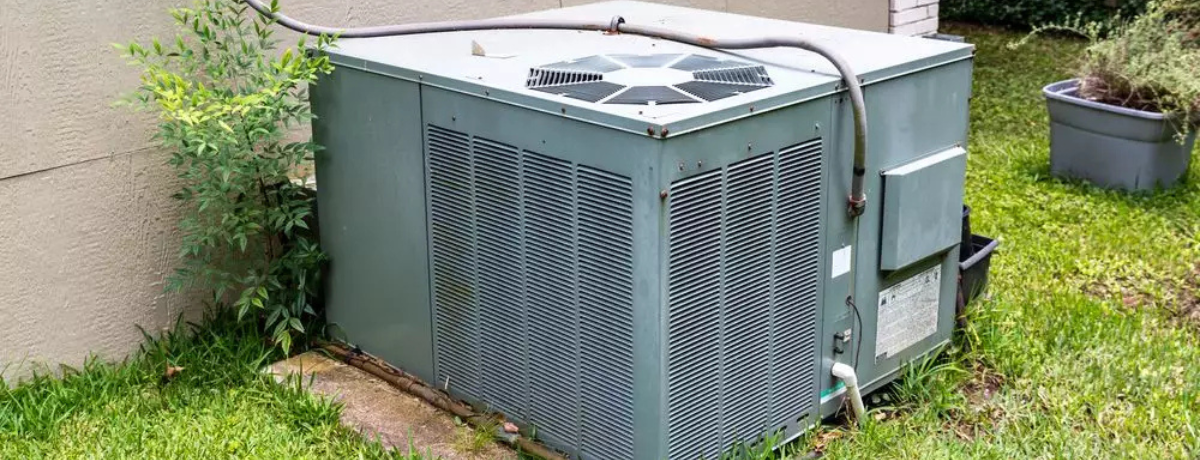
An air conditioner is sitting in the grass next to a wall.

3. Seal Drafts Around Windows and Doors


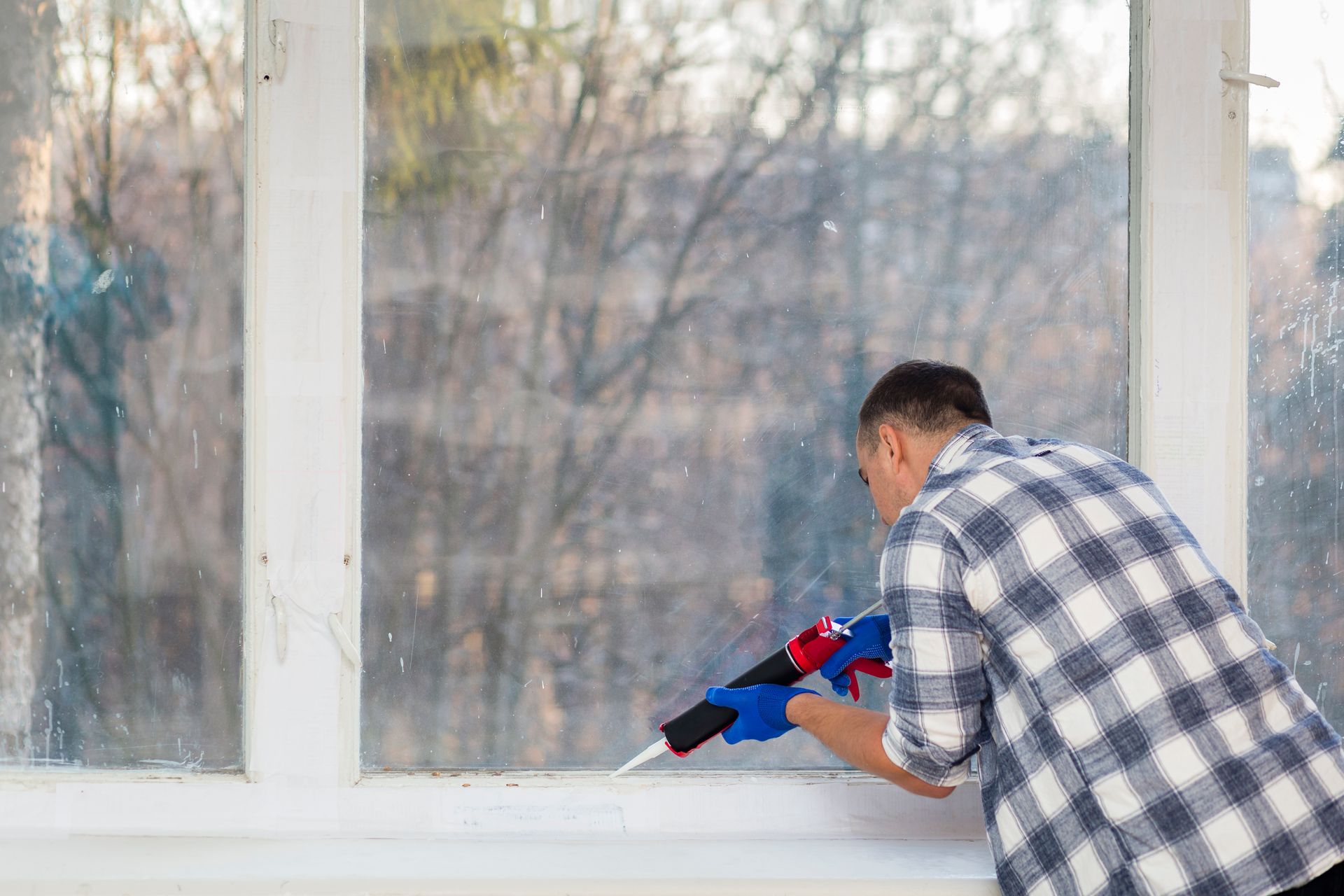
Drafty windows and doors are one of the main reasons for heat loss in homes. By applying fresh caulk or weather stripping around gaps, you can reduce heating costs by up to 20%. Sealing drafts also makes your home more comfortable, eliminating those chilly spots near windows and creating a cozier indoor environment.

Two air conditioners are sitting outside of a brick building.

4. Clean Out Gutters and Downspouts


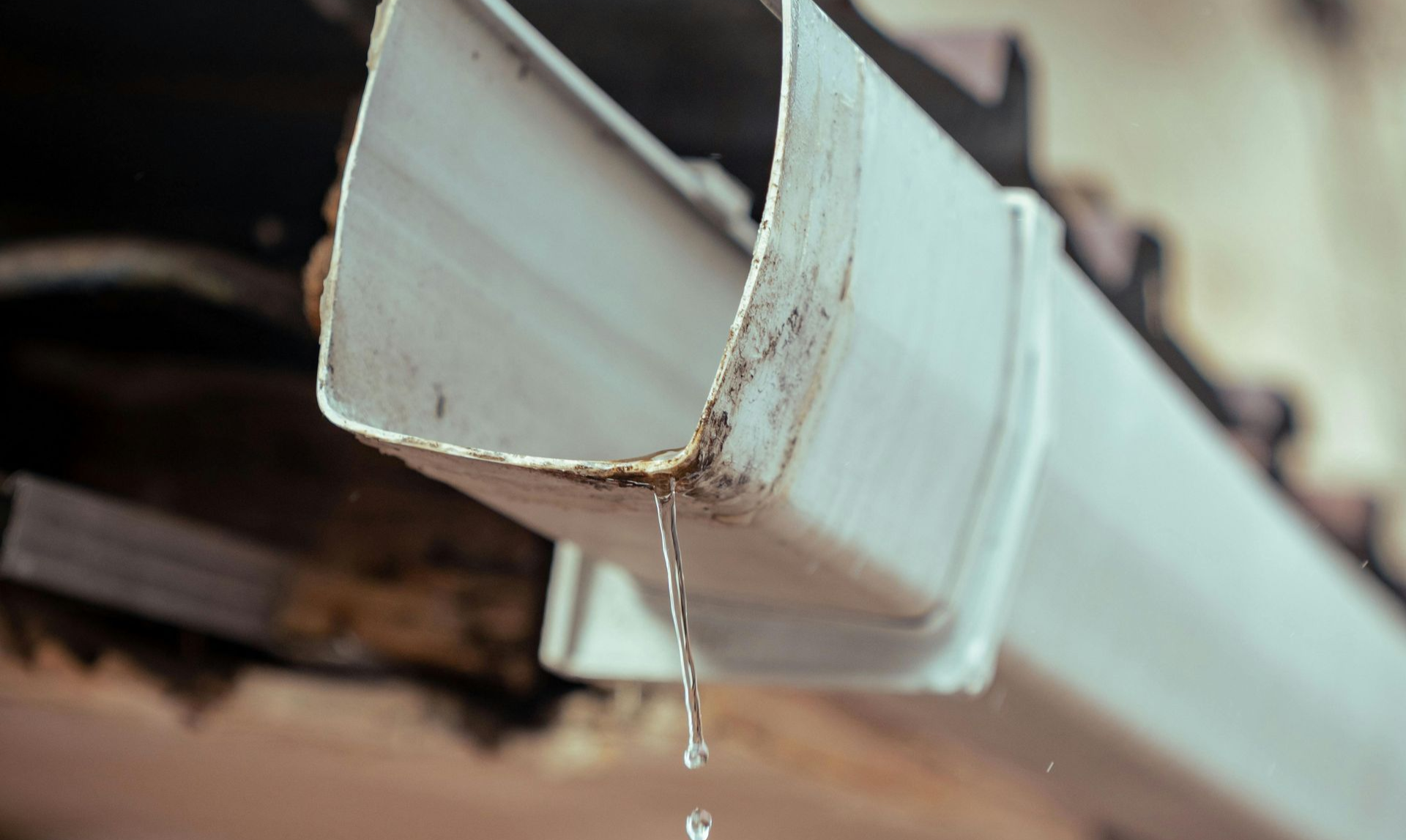
When gutters become clogged with leaves and debris, rainwater has nowhere to go, often pooling near your foundation or backing up under your roof. This can lead to water damage, mold growth, or ice dams when winter arrives. Clearing your gutters and ensuring downspouts direct water away from your home prevents costly repairs and keeps your home protected.

An aerial view of a house with a geothermal system in the ground.

5. Test Your Thermostat


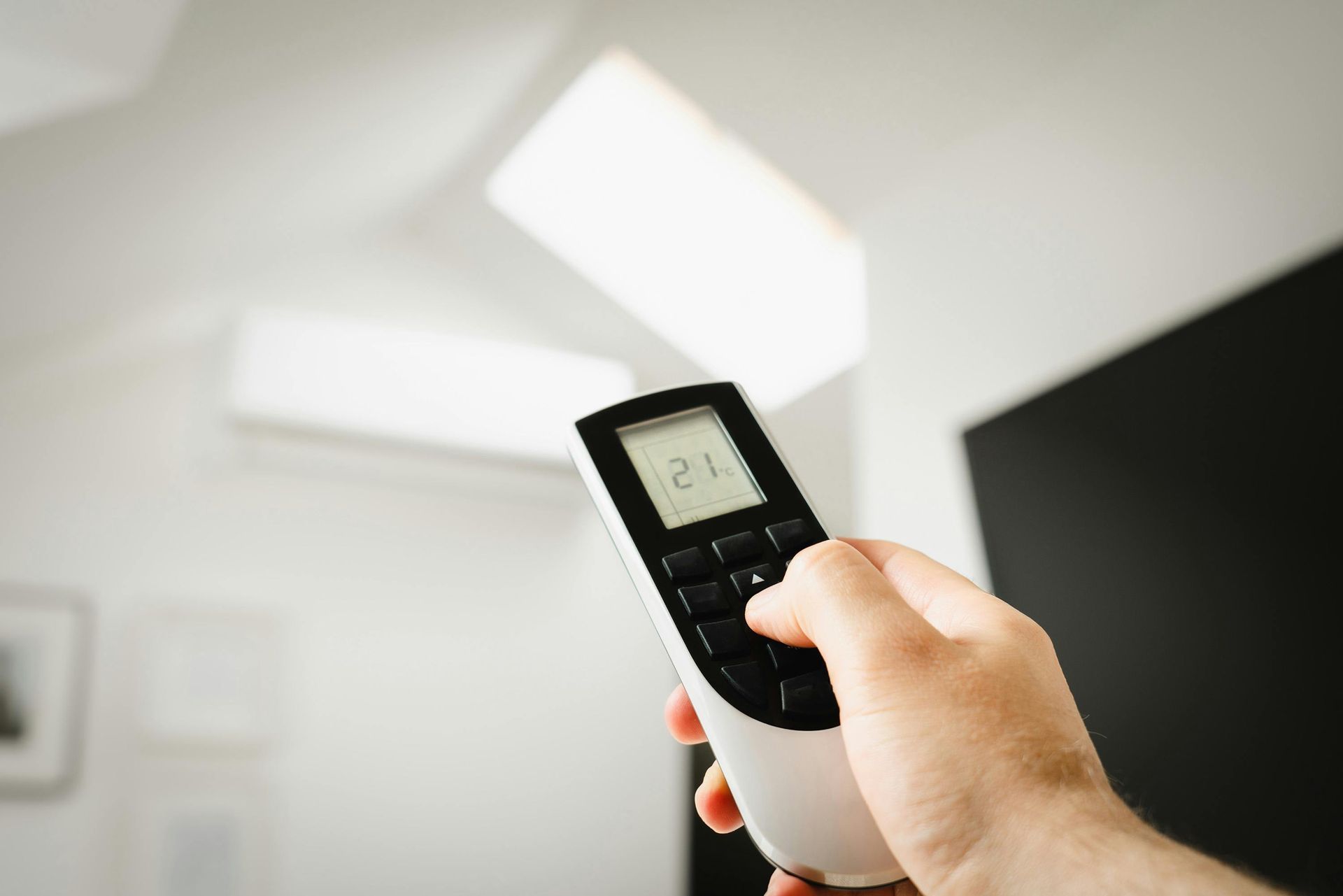
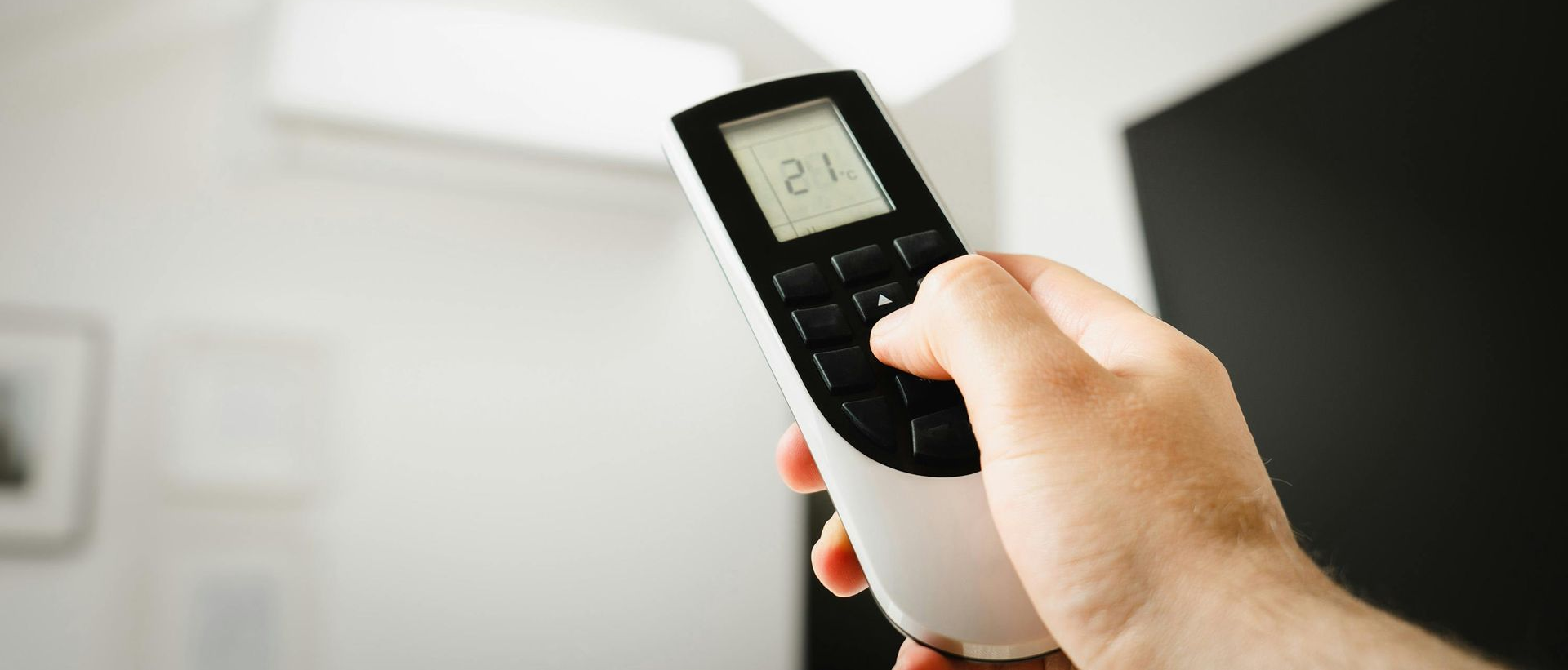
Your thermostat is the control center of your HVAC system, and if it isn’t functioning correctly, you may waste energy or struggle to keep your home at the right temperature. Test it by switching between heating and cooling modes to make sure both respond. Consider upgrading to a programmable or smart thermostat, which allows you to customize heating schedules and save money by reducing energy use when you’re away.
6. Insulate Exposed Pipes


As temperatures drop, exposed pipes in unheated areas like basements, garages, and crawl spaces are vulnerable to freezing. A frozen pipe can burst, causing thousands of dollars in damage. Wrapping pipes in foam insulation or heat tape provides a protective barrier that keeps water flowing freely and prevents sudden plumbing disasters during a cold snap.


7. Flush Your Water Heater


Sediment naturally builds up at the bottom of your water heater tank over time, reducing efficiency and making it harder to provide consistent hot water. In colder months, when demand for hot water increases, this problem becomes more noticeable. Draining and flushing the tank once a year removes buildup, improves efficiency, and extends the life of your unit.


8. Check Smoke and Carbon Monoxide Detectors


With fireplaces, space heaters, and furnaces running in the colder months, the risk of fire or carbon monoxide exposure increases. Test each detector to make sure it works, replace batteries, and check the expiration dates on the devices themselves. Safety should always come first, and a quick check now could save lives later.
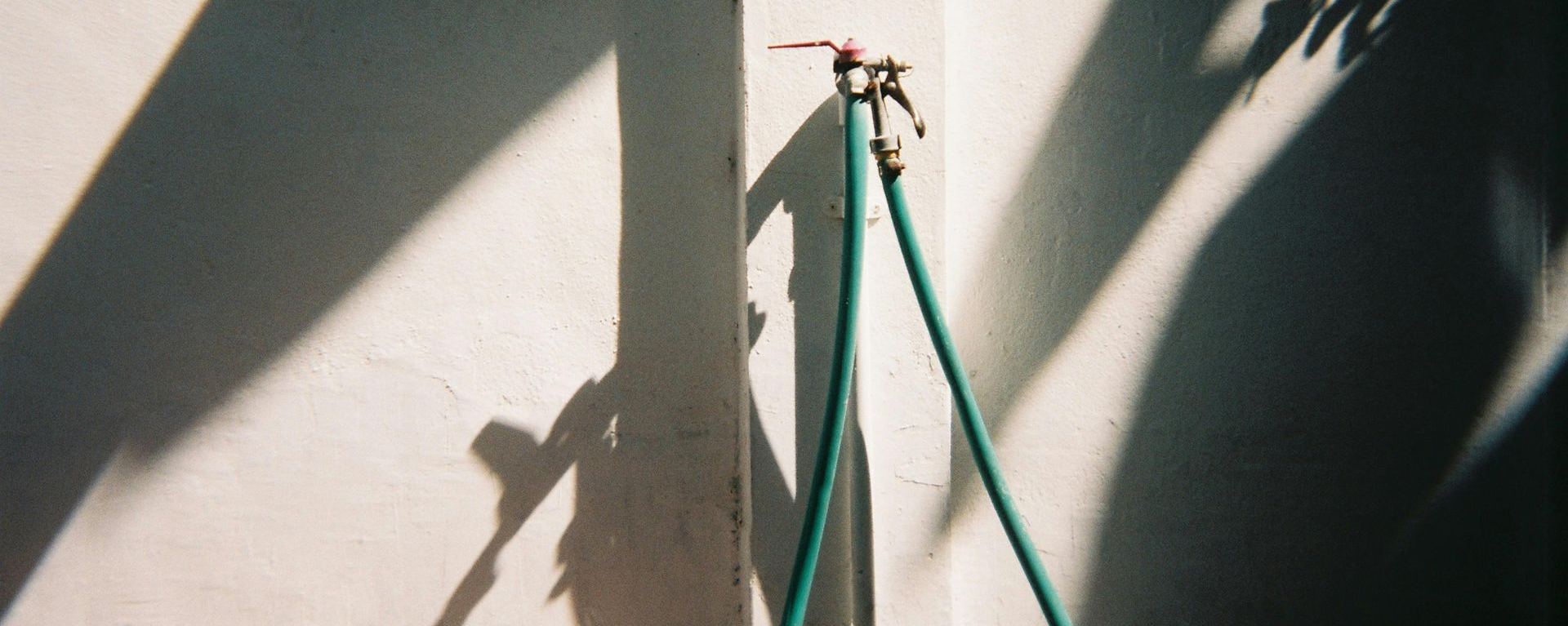
9. Clear Outdoor Faucets and Hoses


Water left in hoses or outdoor faucets can freeze and expand, damaging pipes inside your home. Before the first frost, disconnect all hoses, drain them, and store them indoors. Shut off water to exterior spigots if possible, and insulate them for extra protection. This small step is one of the easiest ways to prevent costly winter plumbing repairs.


10. Schedule a Fall Maintenance Check


A professional inspection of your plumbing and HVAC systems provides peace of mind and helps catch small issues before they turn into major emergencies. Technicians can check your furnace, water heater, pipes, and drains to ensure everything is in top shape. Think of it as a seasonal check-up for your home—keeping it healthy, safe, and ready for the months ahead.


Final Tip: Fall is a season of change—make sure your home is ready to handle it. With these 10 tricks, you can enjoy a cozy, comfortable, and trouble-free autumn.


Ready to schedule your fall plumbing or HVAC check-up? Contact us today and let’s get your home prepared for the season!


Contact Us
By Paula Coulter November 4, 2025
Your water heater is one of the hardest-working systems in your home, providing hot water for showers, laundry, and cleaning every day. But without regular maintenance, it can lose efficiency, develop leaks, or even fail prematurely. To help you avoid costly repairs and extend the life of your water heater, the experts at Riverway Plumbing & Mechanical have put together these four essential water heater maintenance tips every homeowner should follow. 1. Inspect Your Water Heater Regularly Take a few minutes every few months to visually inspect your water heater for signs of rust, corrosion, or leaks. Even small drips or rust spots can indicate internal damage or pressure issues that should be addressed by a licensed plumber. Early detection can prevent serious water damage and extend your unit’s lifespan. 2. Test the Pressure Relief Valve (T&P Valve) Your temperature and pressure relief valve is a crucial safety feature that keeps your water heater from building up dangerous pressure. To test it: Lift the valve’s lever partway, then let it snap back. You should hear a quick burst of water into the drainpipe. If nothing happens or it leaks afterward, it’s time to replace the T&P valve. This simple test helps protect both your home and your water heater. 3. Check the Temperature Setting For safety and efficiency, make sure your water heater thermostat is set to 120°F (49°C). This temperature prevents bacteria growth, reduces the risk of scalding, and lowers energy costs. A professional plumber can help adjust or replace a faulty thermostat if your water doesn’t feel consistently warm. 4. Review Warranty & Service History Always keep track of your water heater’s installation date and any previous maintenance or repairs. Regular professional service helps keep your warranty valid and ensures your system is performing at its best. 💧 Schedule Professional Water Heater Maintenance Even with proper homeowner maintenance, a professional inspection can catch hidden problems such as sediment buildup, rusted components, or inefficient heating elements. At Riverway Plumbing & Mechanical , we provide thorough water heater maintenance, repair, and replacement services to keep your system safe, efficient, and reliable year-round. 👉 Schedule your professional water heater service today! Call us or book online to make sure your water heater is ready for every season.
By Paula Coulter April 16, 2025
Riverway Plumbing & Mechanical is your go-to provider in Bloomington, IN for a variety of eco-friendly and non-invasive plumbing services. When your pipes need repair, trenchless pipe lining is an excellent choice. Trust us as your reliable plumber in Bloomington, IN for professional and dependable services. We offer trenchless pipe lining in Bloomington, IN, as well as the surrounding areas of: Bedford, IN Mitchell, IN Nashville, IN Martinsville, IN and more! Understanding Trenchless Pipe Lining Trenchless pipe lining is a modern method of pipe repair that avoids extensive digging. Essentially, we create a new pipe within the existing one. Our process begins with a thorough inspection to ensure trenchless pipe lining is feasible. In rare instances, this method may not be suitable. More often, we need to clean your pipes before lining them. If cleaning is required, we utilize advanced hydro jetting technology to clear out debris. Once your pipes are prepared, we apply a durable epoxy mixture to a liner and insert it into the pipe. After the liner solidifies, we remove it and verify that your pipes are properly repaired. This technique can also be applied to sewer lines. We provide trenchless sewer repair in Bloomington, IN for both residential and commercial properties. Count on us for all your pipe repair and replacement needs. Benefits of Our Trenchless Pipe Lining Many homeowners in Bloomington, IN prefer not to have their yards disrupted by pipe repairs. Trenchless pipe replacement is ideal for preserving your landscape, requiring only minimal digging through a single access point. In addition to top-notch pipe inspections, our company can line pipes ranging from 2 inches to 12 inches in diameter. We repair cast iron and clay pipes and handle both residential and commercial projects. Sewer line issues are a common concern for homeowners. We simplify the process with trenchless sewer replacement in Bloomington, IN, offering the same benefits as trenchless pipe lining for other pipes. Trenchless sewer repair and replacement are quicker and safer than traditional methods, avoiding the use of harmful chemicals and preserving your yard. Despite the minimal property damage, trenchless pipe repair is often more affordable than traditional methods, making it a smart choice. We offer free estimates for trenchless pipe lining to residents and businesses in Bloomington, IN. Our services are environmentally friendly, effective, and cost-efficient. If your pipes need replacement rather than repair, we also provide pipe replacement using the traditional excavation method. Schedule Your Trenchless Pipe Repair Today! Don't delay in scheduling pipe repairs to prevent further damage to your home or business. Contact Riverway Plumbing & Mechanical today for trenchless sewer pipe repair in Bloomington, IN, and we'll arrange a free estimate. We also offer the following services in the Bloomington and surrounding areas. Sewer Camera Inspections Hydro Jetting UV CIPP Lining & Relining
Trenchless Pipe LIning
By Paula Coulter April 15, 2025
Sewer repairs and replacements have traditionally been a daunting task, often involving extensive excavation, disruption to landscapes, and significant costs. However, the advent of advanced UV cast-in-place pipe technology has transformed this process, making trenchless pipelining a viable and efficient solution for sewer repairs and replacements. What is UV Cast-In-Place Pipe Technology? UV cast-in-place pipe technology is a cutting-edge method that utilizes ultraviolet light to cure resin-saturated liners within damaged pipes. This innovative approach allows for the creation of a new, seamless pipe within the existing one, without the need for digging up the property or performing street cuts. How Does It Work? The process begins with a thorough inspection of the damaged sewer pipe using a small camera. This inspection helps identify the extent of the damage and the best approach for repair1. Once the pipe is cleaned and prepped, a flexible liner coated with UV-sensitive resin is inserted into the pipe. The liner is then inflated and cured using UV light, which hardens the resin and forms a durable new pipe within the old one. Benefits of Trenchless Pipe Lining 1. Minimal Disruption : One of the most significant advantages of trenchless pipe lining is that it eliminates the need for excavation. This means no digging up lawns, driveways, or streets, preserving the property's aesthetics and reducing the inconvenience to homeowners and businesses. 2. Cost-Effective : Traditional sewer repairs can be costly due to the labor and machinery required for excavation. Trenchless pipe lining reduces these costs by minimizing the need for extensive digging and reducing the time required for repairs. 3. Quick and Efficient : UV cast-in-place pipe technology allows for rapid curing times, often within minutes. This speed not only reduces the overall repair time but also minimizes the downtime for the sewer system. 4. Durability : The cured-in-place pipe created using UV technology is highly durable and resistant to corrosion, ensuring a long-lasting solution to sewer problems. Applications and Future Potential UV cast-in-place pipe technology is suitable for various applications, including residential, commercial, and municipal sewer systems. Its ability to navigate bends and transitions within pipes makes it a versatile solution for complex sewer networks. As technology continues to advance, the potential for UV cast-in-place pipe technology to revolutionize sewer repairs and replacements is immense. With ongoing improvements in materials and methods, this trenchless approach promises to become even more efficient and cost-effective, paving the way for a future where sewer repairs are quick, seamless, and minimally disruptive. Conclusion Advanced UV cast-in-place pipe technology is a game-changer in the field of sewer repairs and replacements. By offering a trenchless solution that eliminates the need for excavation, it provides a cost-effective, efficient, and durable method for addressing sewer issues. As this technology continues to evolve, it holds the promise of transforming the way we approach sewer repairs, making them less intrusive and more sustainable for the future. Call or contact Riverway Plumbing today to schedule your free estimate!
A picture of an air conditioner next to a picture of an air conditioner in the snow
April 7, 2025
When it comes to heating and cooling your home, selecting the right system is crucial for both comfort and efficiency. While traditional furnace and air conditioning combos have been the standard for many homeowners, heat pumps are becoming an increasingly popular option. If you're considering upgrading your HVAC system, understanding the differences between heat pumps and furnaces can help you make an informed decision.
A close up of a hose with a blue handle on it.
April 7, 2025
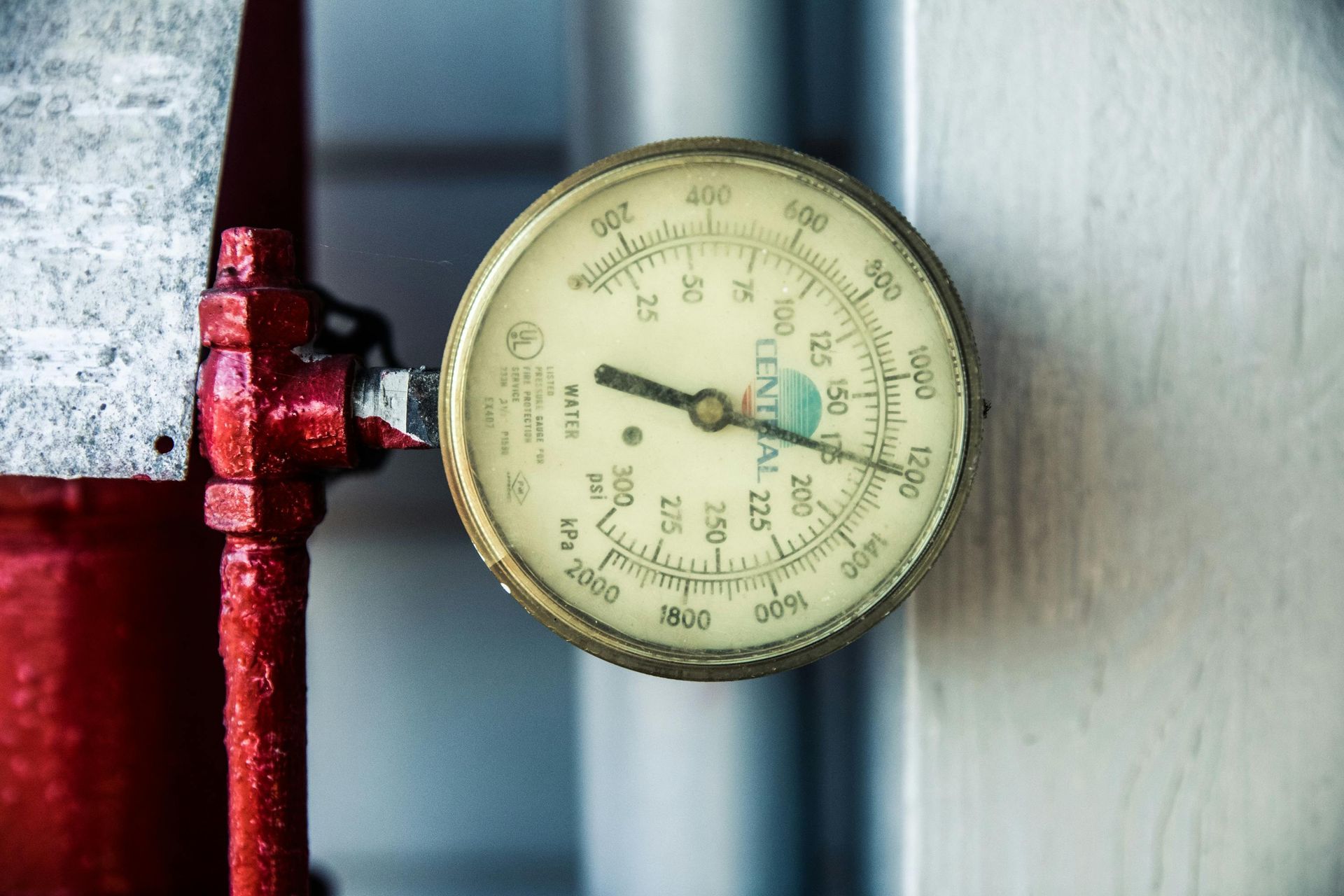
Have you ever noticed strange sounds coming from your plumbing? Groaning, moaning, whining—these noises may seem harmless at first, but they often signal underlying plumbing issues that need attention. Ignoring them can lead to bigger, more expensive problems down the road. At Riverway Plumbing, we’ve heard it all, and we know exactly what these sounds mean. Here’s a breakdown of common plumbing noises and what they’re trying to tell you. Common Plumbing Noises and Their Causes 1. Groaning or Moaning Pipes – High Water Pressure  If your pipes are producing a deep, groaning sound, your water pressure might be too high. While strong water pressure may seem beneficial, excessive pressure puts stress on your pipes and can lead to leaks, pipe damage, and wasted water. What to do: Check your water pressure with a pressure gauge, which you can find at most hardware stores. The recommended range is between 40 and 60 psi. If your pressure is over 80 psi, you may need a pressure regulator installed to prevent long-term damage.
A person is fixing a bathroom sink with a wrench.
April 7, 2025
Water leaks are more than just an inconvenience—they can lead to serious damage to your home and belongings if left unchecked. While visible leaks like dripping faucets are easy to spot, hidden plumbing leaks can be much trickier to detect. Fortunately, there are several ways to uncover these sneaky leaks before they turn into a major problem. Here’s how you can identify a hidden plumbing leak in your home. 1. Conduct a Water Meter Test One of the most reliable ways to detect a hidden leak is by checking your water meter. Start by turning off all faucets and water-using appliances in your home. Then, check your water meter reading. If the meter continues to move, even when no water is running, you likely have a hidden leak. For slow leaks, take another reading after a few hours and compare the results. 2. Test Your Water Pressure A sudden drop in water pressure can indicate a plumbing leak. If you’ve noticed weaker water flow from faucets or showerheads without an obvious cause, you may have a hidden leak somewhere in your plumbing system. A professional plumber can help pinpoint the issue if the pressure continues to drop. 3. Listen for Unusual Sounds Even if you can’t see water, you may be able to hear it. If you notice a faint sound of running or dripping water behind walls, under floors, or in ceilings, it’s a strong sign of a hidden leak. These sounds are often more noticeable at night when the house is quiet. 4. Inspect Your Appliances Household appliances like dishwashers, refrigerators, and washing machines are common culprits for leaks. Check underneath and behind these appliances for any signs of moisture or puddles. If you find a leak, it’s important to address it quickly before it leads to bigger water damage. 5. Test Your Toilets Toilets are another common source of hidden leaks. An easy test is to drop a few drops of food coloring into the toilet tank before going to bed. If you find the color in the toilet bowl by morning without flushing, you have a leak that needs repair. 6. Monitor Your Water Bill A sudden spike in your water bill without a change in usage can indicate an undetected leak. If your bill is consistently higher than normal, it’s worth investigating further by performing some of the above tests. 7. Look for Dampness and Water Stains If you start noticing wet spots, water stains, or discoloration on your walls, ceilings, or floors, these could be warning signs of a leak. Over time, hidden leaks can also lead to mold and mildew growth, causing musty odors and potential health hazards. 
A bathroom with two sinks , a large mirror and a bathtub.
April 7, 2025
As the summer winds down and the back-to-school rush begins, it’s easy to overlook small issues around the house—especially when they don’t seem like emergencies. That slow drip under the sink, the faucet that never quite shuts off, or that toilet that runs a little too long might not feel urgent… but ignoring them could cost you. August is actually the perfect time to tackle those plumbing issues before they turn into major repairs or costly water bills. Here's why. 1. That Drip Adds Up—Fast A leaky faucet can waste hundreds of gallons of water over just a few weeks. If you're seeing a steady drip, you could be literally pouring money down the drain—especially during peak summer water usage. Fixing a faucet or worn washer now is quick, affordable, and saves you in the long run.
An aerial view of a residential neighborhood with lots of houses and trees.
April 7, 2025
As temperatures rise during the summer, homeowners tend to focus on their cooling systems. However, your plumbing system is also more prone to certain issues during this season. Increased water usage, outdoor activities, and summer storms can lead to unexpected plumbing problems. At Riverway Plumbing, we want to help you stay ahead of these potential issues. Here are the most common plumbing problems to watch for during the summer months—and how to prevent them. 1. Clogged Shower and Tub Drains Spending time outdoors often means bringing dirt, sand, and other debris back inside. When you wash off in the shower or tub, these particles can accumulate in your pipes, leading to slow drainage or even blockages. To prevent clogs, use a drain cover and rinse off outside when possible before heading into the shower. 2. A/C Not Cooling Properly Few things are worse than a malfunctioning air conditioner during a heatwave. If your system isn’t cooling efficiently, it could be due to: Dirty air filters Low refrigerant (especially if your system is still using R-22) Frozen coils Thermostat issues Replace filters monthly, keep the outdoor unit clear of debris, and schedule a professional tune-up in late spring or early summer. 3. Garbage Disposal Problems Summer cookouts and holiday gatherings often result in more food scraps being tossed into the garbage disposal. Items like corn husks, fruit pits, and grease can clog the disposal and damage the blades. Avoid disposing of fibrous or hard items, and run cold water when using your garbage disposal. 4. Poor Indoor Air Quality With windows closed and A/C running constantly, indoor air can get stuffy—especially with pollen, dust, and humidity in the mix. Solutions: Install high-efficiency air filters (MERV 8–13) Consider a whole-house dehumidifier Keep your HVAC ducts clean and sealed
A blue house with purple flowers in front of it
April 7, 2025
As summer approaches, ensuring your HVAC system is in top shape can make a big difference in comfort, efficiency, and energy costs. With a few simple maintenance steps, you can keep your air conditioning running smoothly during the hottest months. Here are our top 5 tips for preparing your HVAC system for summer. 1. Replace Your Air Filters Your HVAC system relies on clean air filters to maintain proper airflow and indoor air quality. Dirty or clogged filters can reduce efficiency, forcing your system to work harder and consume more energy. Aim to replace your filters every 1-3 months, or more frequently if you have pets or allergies.
A bathroom with a tub , sink , mirrors and a walk in shower.
April 7, 2025
Spring-cleaning isn’t just for closets and windows—it’s also the perfect time to give your plumbing system a little love. After a long winter, your pipes, drains, and fixtures could use some attention to keep everything flowing smoothly. But beyond the usual "check for leaks" advice, there are several overlooked steps that can make a big difference. Here’s what most homeowners miss when spring-cleaning their plumbing system—and how to stay ahead of costly repairs.