10 Tips for Home Plumbing Success
Riverway Plumbing & Mechanical | Mar 05 2025 13:00
Keeping your home’s plumbing in top shape is essential for avoiding costly repairs and unexpected water damage. By following these simple yet effective plumbing tips, you can maintain a smooth-running system and prevent common household plumbing issues.
1. Never Pour Grease or Oil Down the Drain
Cooking grease and oil might seem harmless in liquid form, but as they cool, they solidify and stick to your pipes, leading to stubborn clogs. Instead, let grease solidify in a container and dispose of it in the trash.
2. Use Sink Strainers
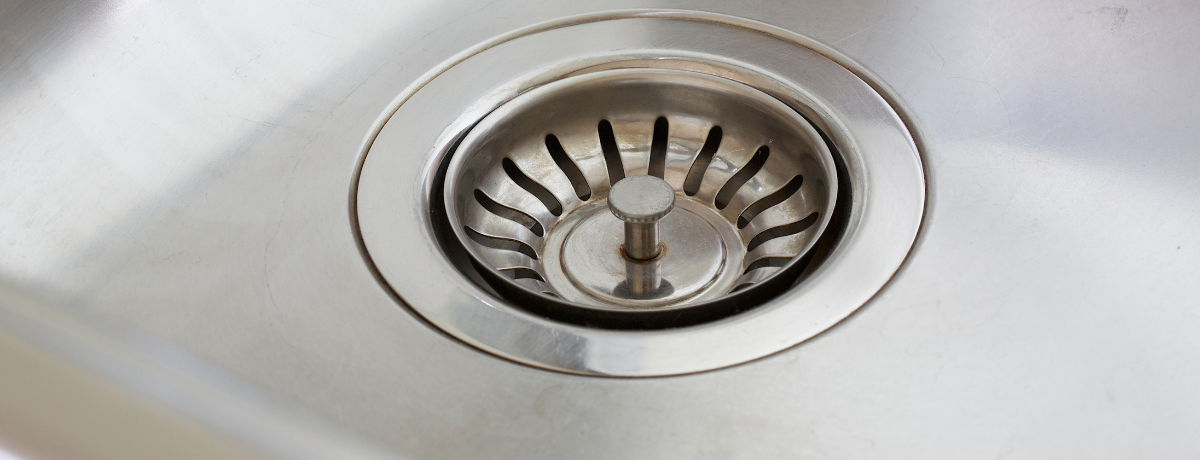
A simple way to prevent clogs is by using sink strainers to catch food particles, hair, and other debris before they enter your drain. Be sure to clean them regularly to keep water flowing smoothly.
3. Be Mindful of What You Flush
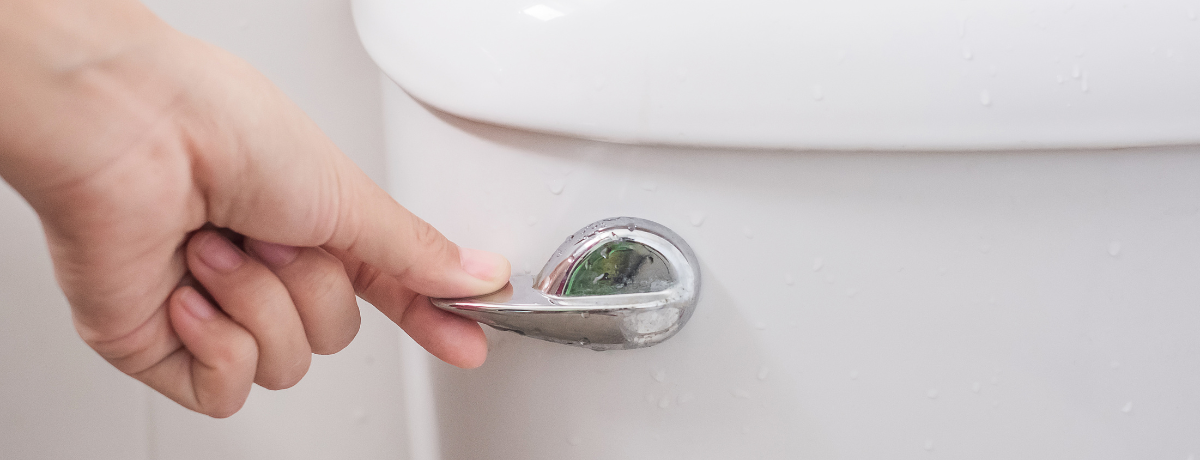
Toilets are designed to handle only human waste and toilet paper—flushing other items can lead to major blockages. Avoid flushing diapers, sanitary products, paper towels, and even so-called “flushable” wipes, as they don’t break down properly.
4. Check for Leaks Regularly
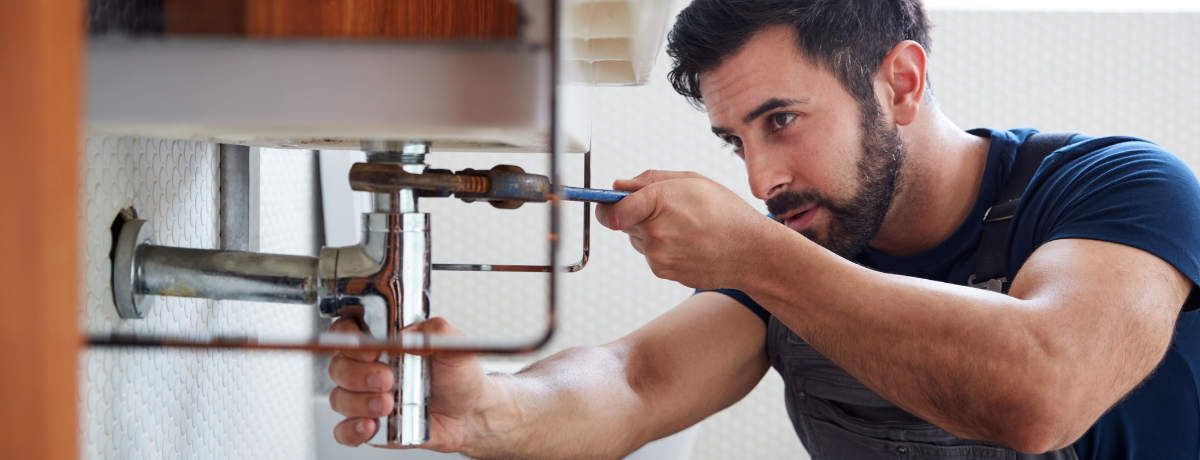
A small leak might not seem like a big deal, but over time, it can lead to water waste, mold growth, and even structural damage. Inspect pipes under sinks, around appliances, and behind toilets for signs of drips or moisture.
5. Skip Chemical Drain Cleaners
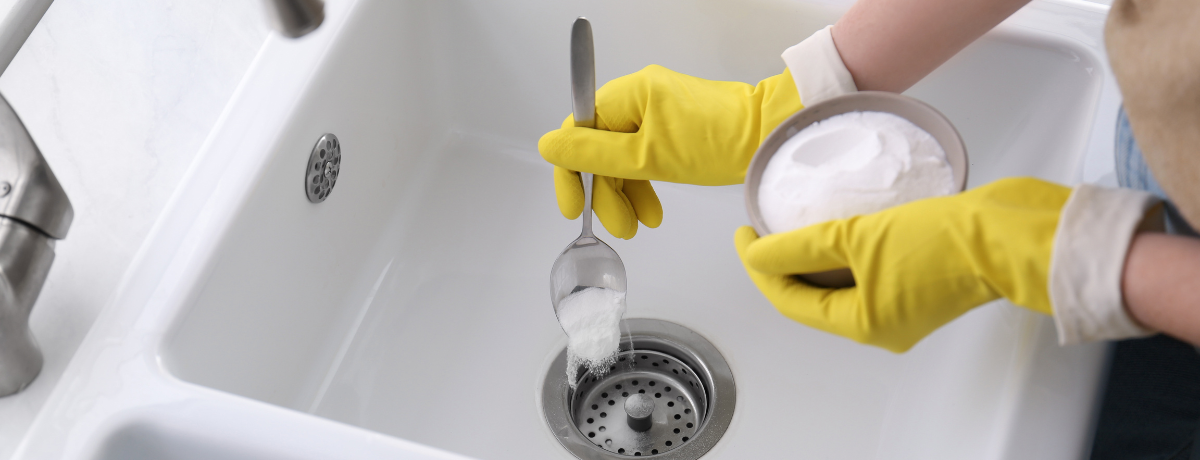
Chemical drain cleaners can be tempting, but they often do more harm than good. The harsh chemicals can corrode pipes and pose health risks. Instead, try a natural solution like baking soda and vinegar, or call a plumber if the clog persists.
6. Install a Whole-Home Water Filter
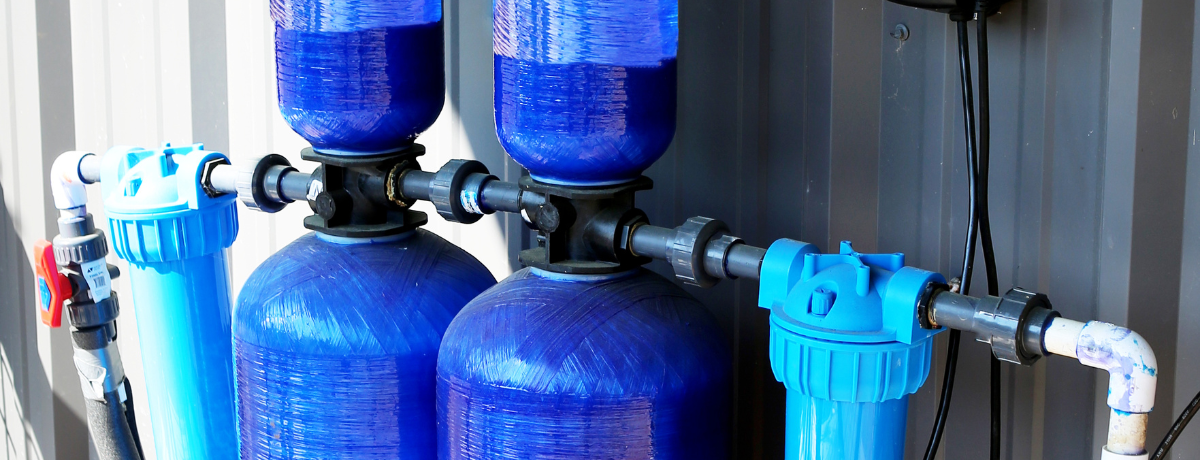
Filtering your water can help protect your plumbing system from mineral buildup, particularly in areas with hard water. It also improves water quality for drinking, cooking, and bathing.
7. Use the Right Plunger for the Job
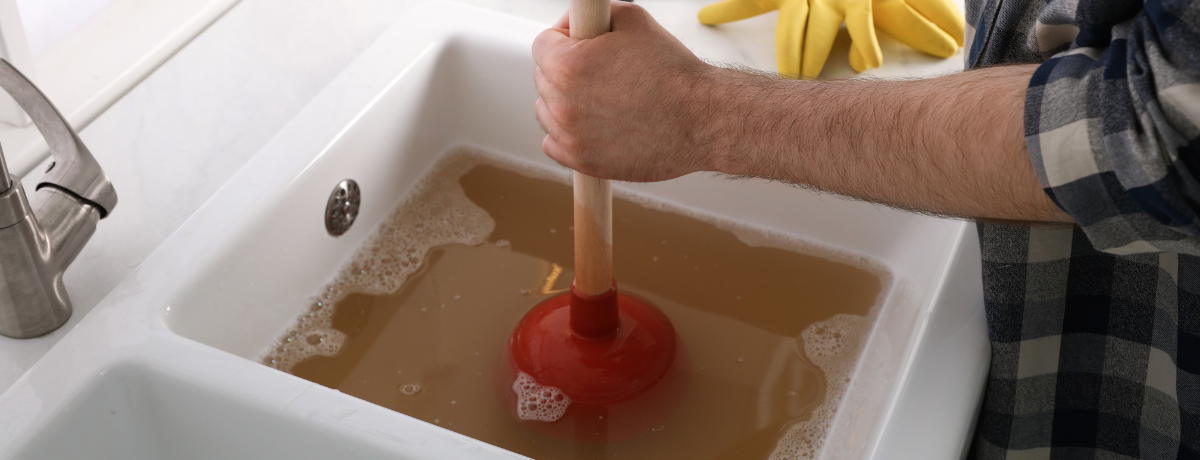
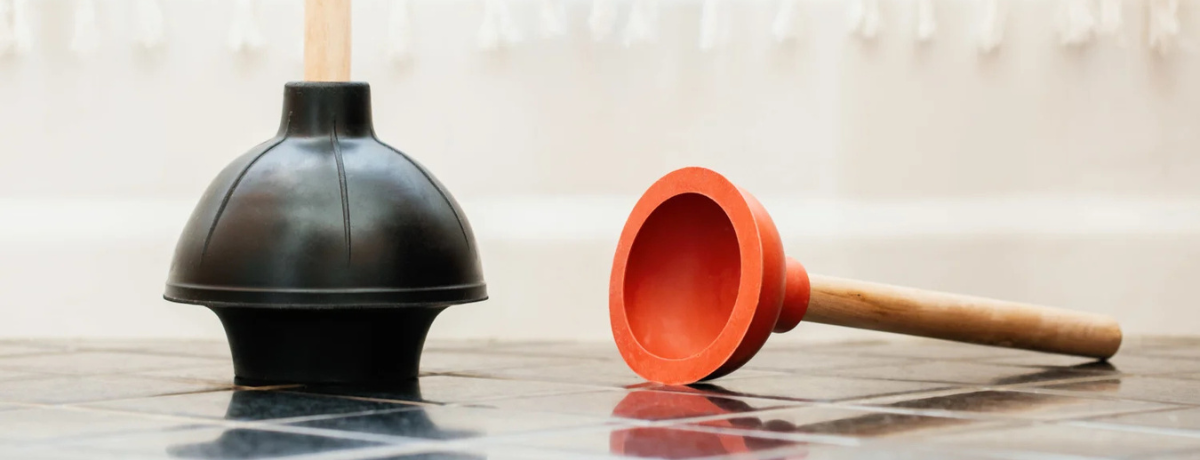
Not all plungers are the same! A cup plunger works best for sink and shower drains, while a flange plunger is designed for toilets. Use firm plunging motions to create a seal and dislodge clogs effectively.
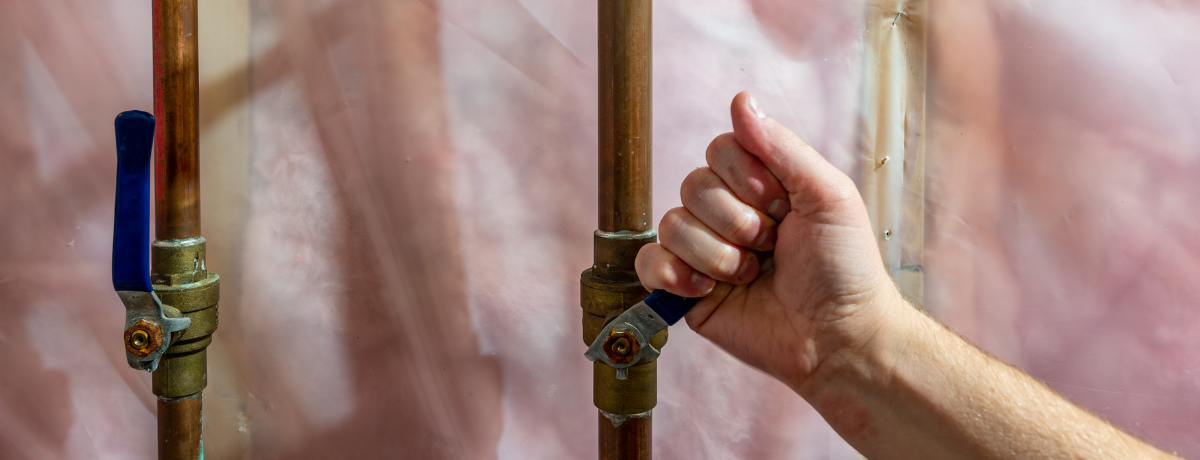
8. Know Your Main Water Shut-Off Valve Location
In case of a burst pipe or major leak, you’ll need to turn off your home’s water supply quickly. Locate the main shut-off valve—typically near your water meter or where the main water line enters your home—and ensure everyone in the household knows how to use it.
9. Schedule Annual Water Heater Maintenance
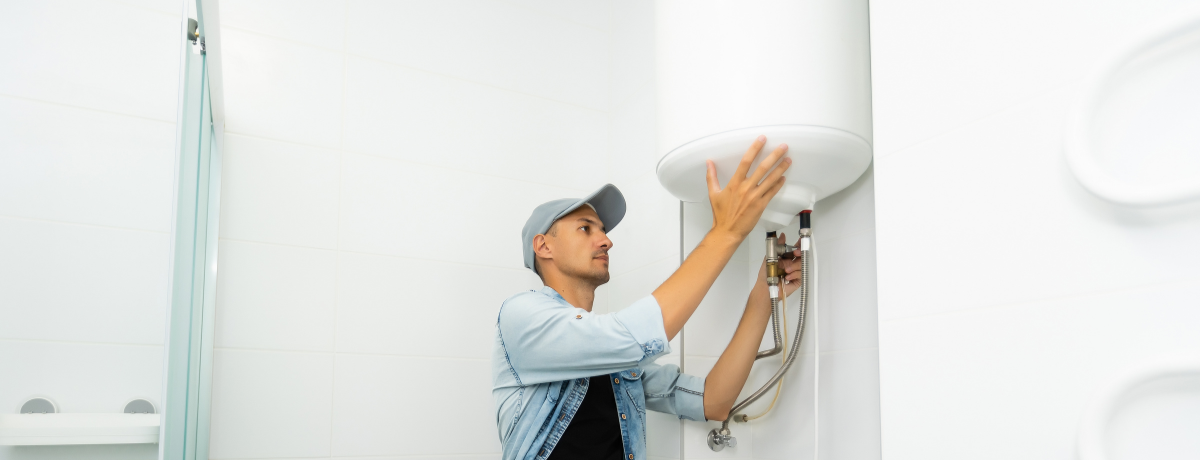
Your water heater works hard to provide warm water daily. A professional inspection can help extend its lifespan, improve efficiency, and prevent unexpected breakdowns. Many manufacturers require annual maintenance to keep warranties valid.
10. Call a Professional When Needed
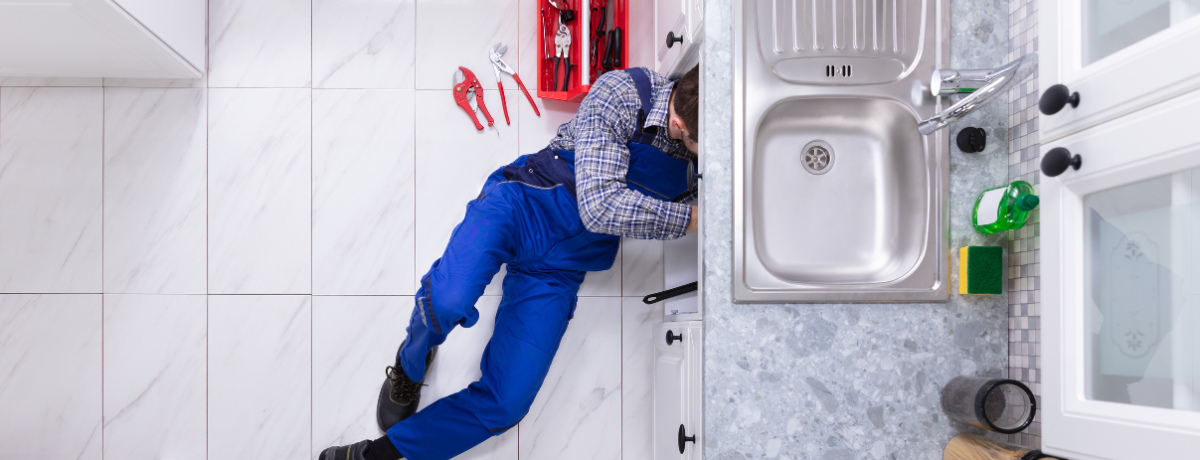
Some plumbing problems can be tackled with DIY fixes, but major issues—like leaks inside walls, sewer backups, or failing water heaters—require professional attention. Calling a licensed plumber can save time and prevent costly damage.
By following these plumbing tips, you can keep your home’s plumbing system in top condition and avoid expensive repairs. If you ever run into a problem you’re unsure about, Riverway Plumbing is here to help! Contact us for expert plumbing services and peace of mind.
Call Riverway Plumbing today for professional assistance with all your plumbing needs!
-
![How to Protect Your Sewer Line from Tree Roots and Yard Projects]()
How to Protect Your Sewer Line from Tree Roots and Yard Projects
Smart Strategies to Keep Roots and Renovations from Wrecking Your Plumbing Tree roots and yard projects are two of the most common culprits behind sewer line damage for...Read more -
![Signs Your Bathroom needs a Plumbing Upgrade (Before a Remodel)]()
Signs Your Bathroom needs a Plumbing Upgrade (Before a Remodel)
Identify Plumbing Problems Early—Save Time and Money on Your Remodel Planning a bathroom remodel? Before you pick out new tiles and fixtures, it's critical to assess your...Read more -
![Plumbing Myths Bloomington Homeowners Should Stop Believing]()
Plumbing Myths Bloomington Homeowners Should Stop Believing
Let’s be real—plumbing is one of those things most of us don’t think about until something goes wrong. But when it does, misinformation can make a messy situation even worse. At Riverway Plumbing &...Read more